CT—001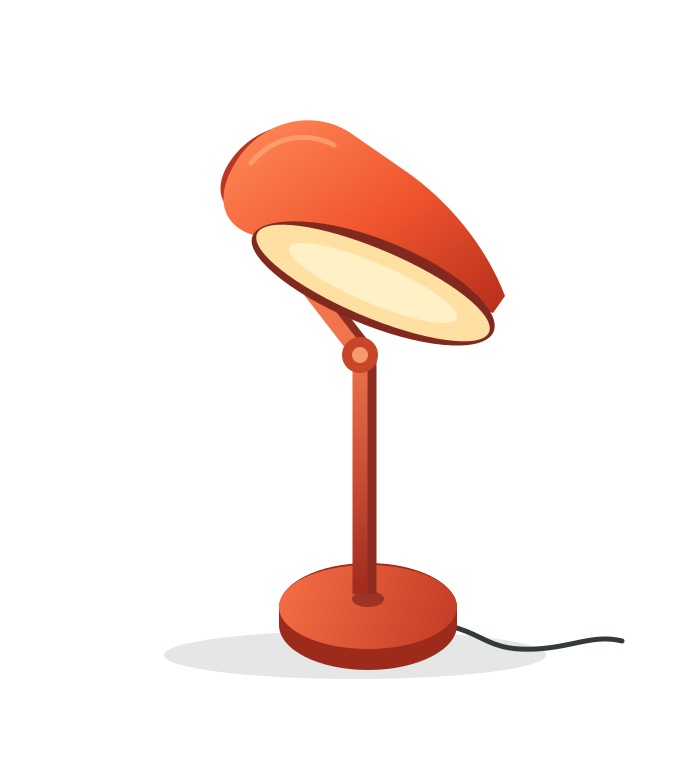
The task lamp
Observation notes
A wide shade, a narrow stem, a pool of light. The weighted base does the quiet work of keeping everything balanced. One small object draws a boundary around the task at hand.
A study in the everyday
The collection / Volume 01
Six familiar forms, drawn afresh. Take your time. Open an observation note and see what you notice next.
A wide shade, a narrow stem, a pool of light. The weighted base does the quiet work of keeping everything balanced. One small object draws a boundary around the task at hand.

The handle leaves room for a whole hand. The lip makes a brief, controlled path for water. A deep blue glaze turns a simple act of hospitality into a small occasion.
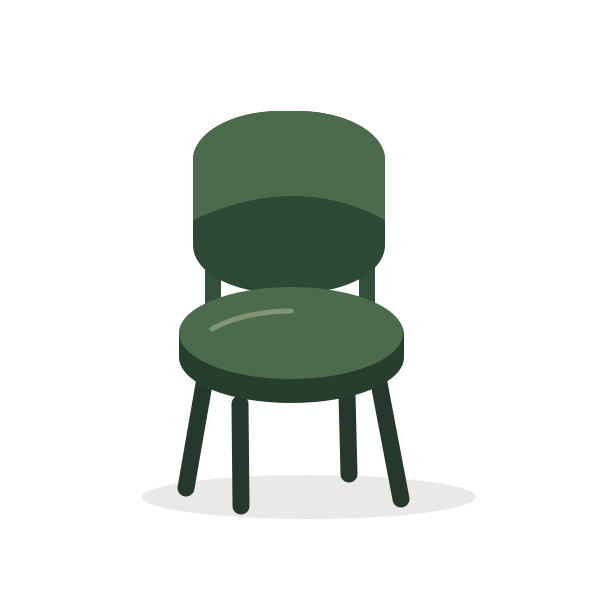
A curved back meets the body; four slender legs meet the floor. The chair is drawn without upholstery, keeping its shape, joinery and purpose in plain view.

Squeeze the handles and the jaws open. Let go and the spring takes over. Two loops of wire turn a stubborn piece of steel into something the fingers can manage.
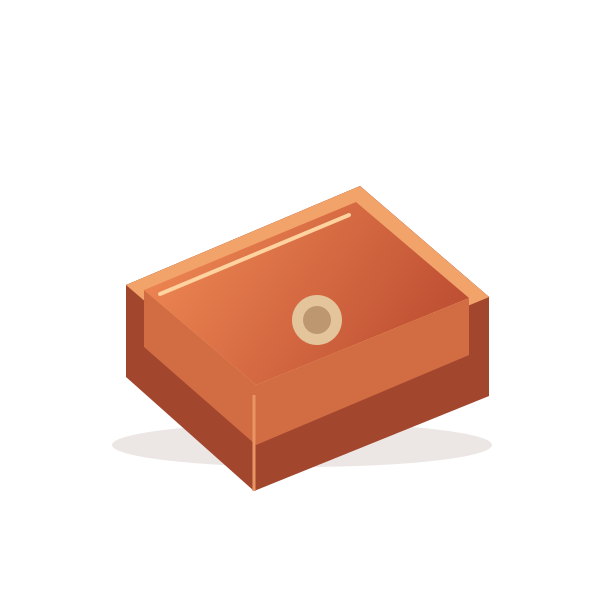
A shallow edge is all it takes to give loose things a home. Keys, a ring, a pocketful of change: the tray gathers the little evidence of a day without asking for order.
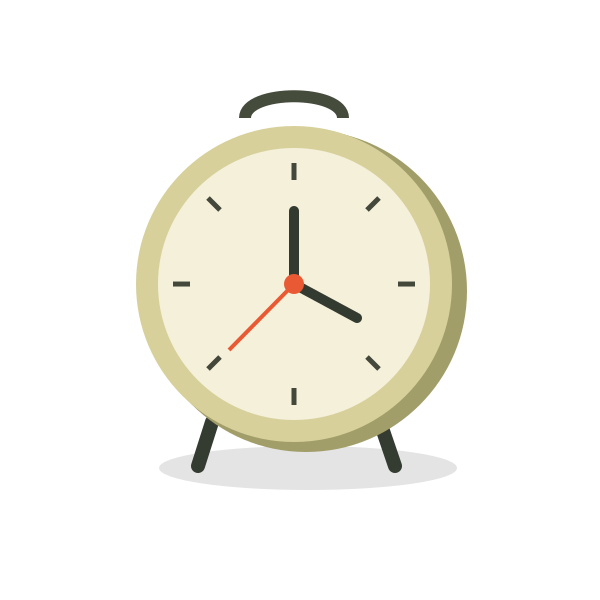
A pale face, short hour marks and three hands sharing a centre. The clock makes time visible without competing for attention. Its two small feet give a circle somewhere to stand.
These are imagined objects, not products for sale. Their materials describe the design studies behind the illustrations.
Read our first field note